
博客
How Often Should You Get a Massage for Optimal Wellness?

In today's busy world, massage is no longer just an occasion to pamper, it's become a genuine health care habit for many people. Whether you're dealing with daily stress, chronic aches, or simply want to stay flexible and feel your best, regular massage is a great strategy for long-term health. This raises a question: How often should you actually get a massage?
The truth is, it depends. Your ideal frequency depends on a few factors and your current physical condition. This guide will walk you through the most practical recommendations for every need, supporting you in building a proper massage routine for optimal health.
What Determines How Often You Should Get a Massage?

There is no single answer to how often you should get a massage. Some people find a monthly session enough, while others may benefit from weekly treatments. The best frequency depends on several personal factors including your goals, lifestyle, physical condition, and your schedule.
-
Your Wellness Goals
The first thing to consider is your wellness goal. If your main focus is just relaxation and stress relief, you may only need a massage every few weeks or once a month. This can help calm your mind, improve sleep, and reduce mental fatigue effectively. However, if you are in muscle or injury recovery, a biweekly, weekly, or even twice-weekly treatment would definitely work better.
- Your Lifestyle
Your lifestyle and daily habits also play an important role in how often you should get a massage. For example, people with stressful desk jobs and long hours of sitting often experience tension in the neck, shoulders, and lower back. In these cases, regular massages can help relieve stiffness before it becomes a bigger issue.
On the other hand, people with active jobs or regular exercise routines may experience less muscle tension, so they may not need massages as often.
- Your Physical Condition
Your body is always sending signals when it needs extra care. Constant headache, fatigue, poor sleep, neck and shoulder pain, or intense muscle aches – these can help you decide how often you should book a massage.
- Your Budget
It's also worth being realistic about your budget. Rather than going frequently for a short period and stopping, choose a schedule you can genuinely stick to as long-term consistency is the key.
- Your Schedule
Busy people with tight schedules may find it difficult to have frequent massages. A regular monthly massage is always better than waiting until the pain becomes unbearable.
How Often Should You Get a Massage for Different Goals?
The ideal massage frequency depends mostly on your personal wellness goals. Choosing the right schedule can help you achieve better and longer-lasting results.
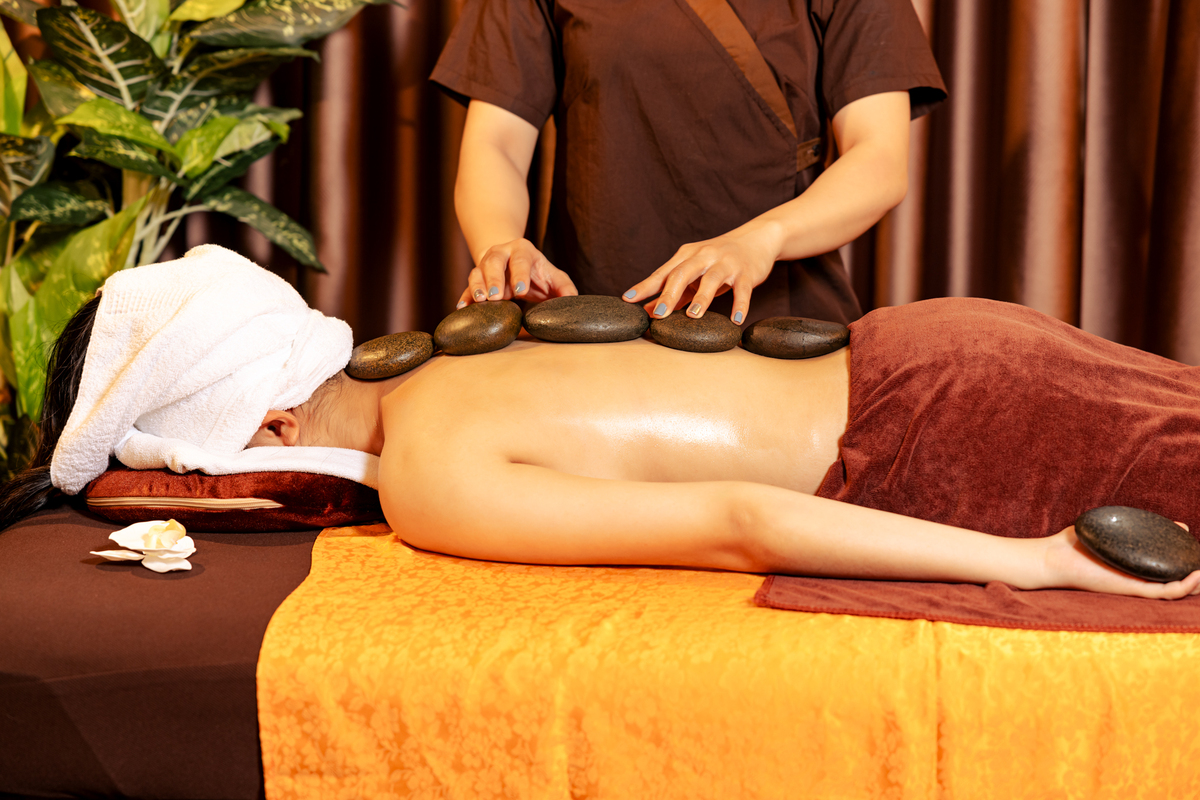
For General Wellness
For overall wellness and maintenance, getting a massage every 4-6 weeks is a practical routine. This frequency allows your body to reset while still fitting comfortably into most people’s budgets and lifestyles.
Consistent massages can support better circulation and tension relief before discomfort becomes more serious. 4 to 6-week massage frequency is a form of preventive care that helps maintain both physical and mental well-being over time.
This frequency is suitable for:
- People who want to maintain long-term wellness and have no chronic pain
- People with everyday stress from work or life
- People who want to improve sleep, relaxation, and overall balance
For Stress Relief and Mental Wellness
For people experiencing frequent stress or mental fatigue, massaging every 2-4 weeks is often recommended. This helps the body relax, eases muscle tension caused by stress, and creates time for both physical and mental recovery. Moreover, this schedule can help prevent stress from building up over time and support a more stable state in daily life.
This frequency is suitable for:
- People with high-pressure jobs or frequent stress
- People dealing with insomnia or poor sleep quality
- Office workers who sit for hours and easily experience neck and shoulder pain
- People frequently feeling exhausted or overwhelmed
- People who want to maintain better emotional balance
For Muscle Recovery and Fitness
For those who regularly exercise or train in sports, weekly or bi-weekly frequency is often recommended. Muscles are constantly under pressure and stiffness after training, and massages support faster muscle recovery, reduce pain or injury risk, and maintain better athletic performance.
This frequency is suitable for:
- People going to the gym or play sports regularly
- People doing strength training, HIIT, or high-intensity cardio
- People preparing for competitions or sport events
- People who have physically demanding jobs or exercise a lot
For Chronic Pain or Office-Related Problems
Massaging to reduce chronic pain or persistent muscle tension in the neck, shoulders, and back should be done more frequently. This problem is very common among office workers, and the pain occurs continuously. That's why it is highly recommended to start with weekly sessions to release accumulated tension, then shift to once a month for maintenance and prevention when symptoms improve.
This frequency is suitable for:
- People with chronic neck, shoulder, or back pain
- Office workers with poor working posture or long hours at a computer
- People with prolonged muscle tension due to stress or lack of exercise
Signs You May Need More Frequent Massages
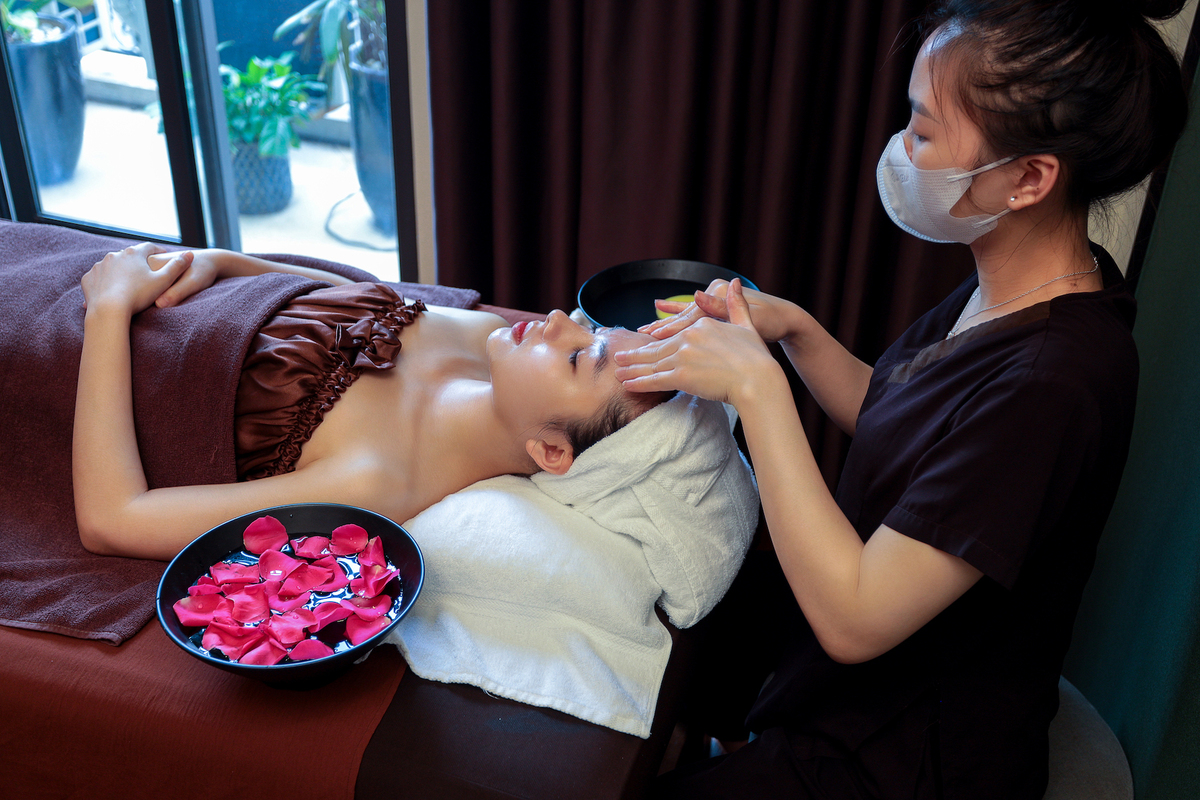
Your body usually lets you know when it needs more recovery and muscle care. If you notice tension, stress, or discomfort coming back soon after a massage, you might need to book them more often. Below are some signs that you could benefit from getting massages more often:
- Constant Muscle Tightness
If your neck, shoulders, back, or legs often feel stiff and tight, your muscles might be holding onto tension. Getting massages regularly can help release this tension before it turns into lasting pain.
- Frequent Headaches or Neck Pain
Tension headaches and neck pain often come from stress, poor posture, or tight muscles. Massage can help ease the pressure and boost circulation in these spots.
- High Stress and Mental Fatigue
If you often feel overwhelmed, anxious, or mentally tired, it could mean your body isn’t recovering quickly enough from daily stress. Getting massages more regularly can help you relax and feel more balanced.
- Poor Sleep Quality
Stress and tight muscles can make it hard for your body to relax at night. Massage can help calm your nerves and improve your sleep over time.
- Slow Muscle Recovery
If you feel sore for longer than usual after working out, your body might need extra help to recover. Getting massages more often can ease muscle fatigue and speed up recovery.
- Reduced Flexibility or Mobility
If you notice ongoing stiffness or have trouble moving, it could be from built-up muscle tension. Regular massages can help keep your muscles flexible and make daily activities more comfortable.
Tips for Building a Sustainable Massage Routine

Here are some tips to help you create and stick to a massage schedule that fits your needs and goals.
- Pay attention to what your body needs: If you just want to relax, you don’t need to schedule massages too often. Pick a session that works for you and stick to a moderate frequency so it stays effective and affordable.
- Choose a schedule you can maintain consistently: Getting a massage every month is usually better than going a lot for a short time and then taking a long break.
- Listen to your body’s reaction: If you’re still feeling stiff, sore, or stressed, try having massages more often.
- Add healthy habits: Stretching, getting enough sleep, drinking more water, and exercising support prolonging massage effects.
- Book your appointments in advance: Having a fixed monthly or weekly schedule makes it easier to maintain the massage routine.
FAQs
- Is a monthly massage enough?
For many people, a monthly massage is enough to maintain relaxation, reduce stress, and prevent muscle tension. However, the ideal frequency depends on your lifestyle, physical condition, and wellness goals.
- Should athletes get weekly massages?
Depend on training intensity and recovery needs. In general, athletes and people with regular intense exercise should get weekly or bi-weekly massages to support muscle recovery and reduce soreness.
- How long should a massage session last?
Depends on your needs, budget, and physical condition. A massage session targeting a specific area such as neck, back, or shoulders, should last 30 - 60 minutes, while a full-body massage or deep massage should last 60-90 minutes.
- What happens if you stop getting regular massages?
Muscle tension, stiffness, and stress may gradually return, especially if the causes like long hours sitting, stress, or intense exercise, still remain. The effects vary depending on your lifestyle and self-care habits.
To sum up, there isn’t one schedule that works for everyone. How often you get a massage should align with your wellness goal, lifestyle, physical condition, budget, and schedule. Most importantly, listen to your body and stick to a routine that feels right and can last.
更多相关文章

Glowing Skin 101: Best Skincare Tips for Every Season
Seasonal skincare tips to keep your skin glowing year-round - adjust your routine, avoid common mistakes, and build healthy habits for radiant skin in every season.
阅读更多
A New Chapter of Tranquility: Orient Spa is Moving!
Our Hoan Kiem Lake branch at 18 Bao Khanh Street is relocating to a beautiful cozy new home at 113 Hang Bong Street, just a 7-minute walk away.
阅读更多
Mindfulness & Meditation: 7 Techniques to reduce daily stress
Stress isn't a new problem, but when it builds up and lasts for a long time, it significantly affects your mood, sleep, focus, and overall quality of life. That's when mindfulness and meditation can help.
阅读更多